12 Easy Swiss Recipes You Can Try at Home
Simple, comforting dishes that bring a taste of Switzerland into your kitchen

Swiss cooking has a quiet kind of confidence. It doesn’t rely on complicated techniques, intricate culinary school training, or endless ingredient lists. Instead, it’s built on simple, honest food – made well, and meant to be shared around a cozy kitchen table.
These are the exact kinds of easy Swiss recipes I grew up eating. They are the everyday dishes that filled the kitchen with warmth without turning dinner into an exhausting production. You can easily whip them up on an ordinary weeknight and still feel like you’ve created something genuinely special.
If you’ve ever been curious about alpine cooking but didn’t know where to start, this guide is for you. Here are 12 easy Swiss recipes to make at home, complete with practical tips on how to adapt them using everyday pantry staples.
If you’ve ever been curious about Swiss food but didn’t know where to start – this is it.
And if you’re looking to dive deeper into Swiss food culture? Before you start cooking, take a look at these everyday Swiss foods and drinks that many Swiss people grew up with. You’ll discover iconic Swiss staples like Aromat, Ovomaltine, Biberli, and more.
Start Here: The Swiss Culinary Essentials
If you are new to Swiss cuisine, these three foundational recipes are the absolute best place to start. They form the backbone of everyday home cooking across Switzerland.
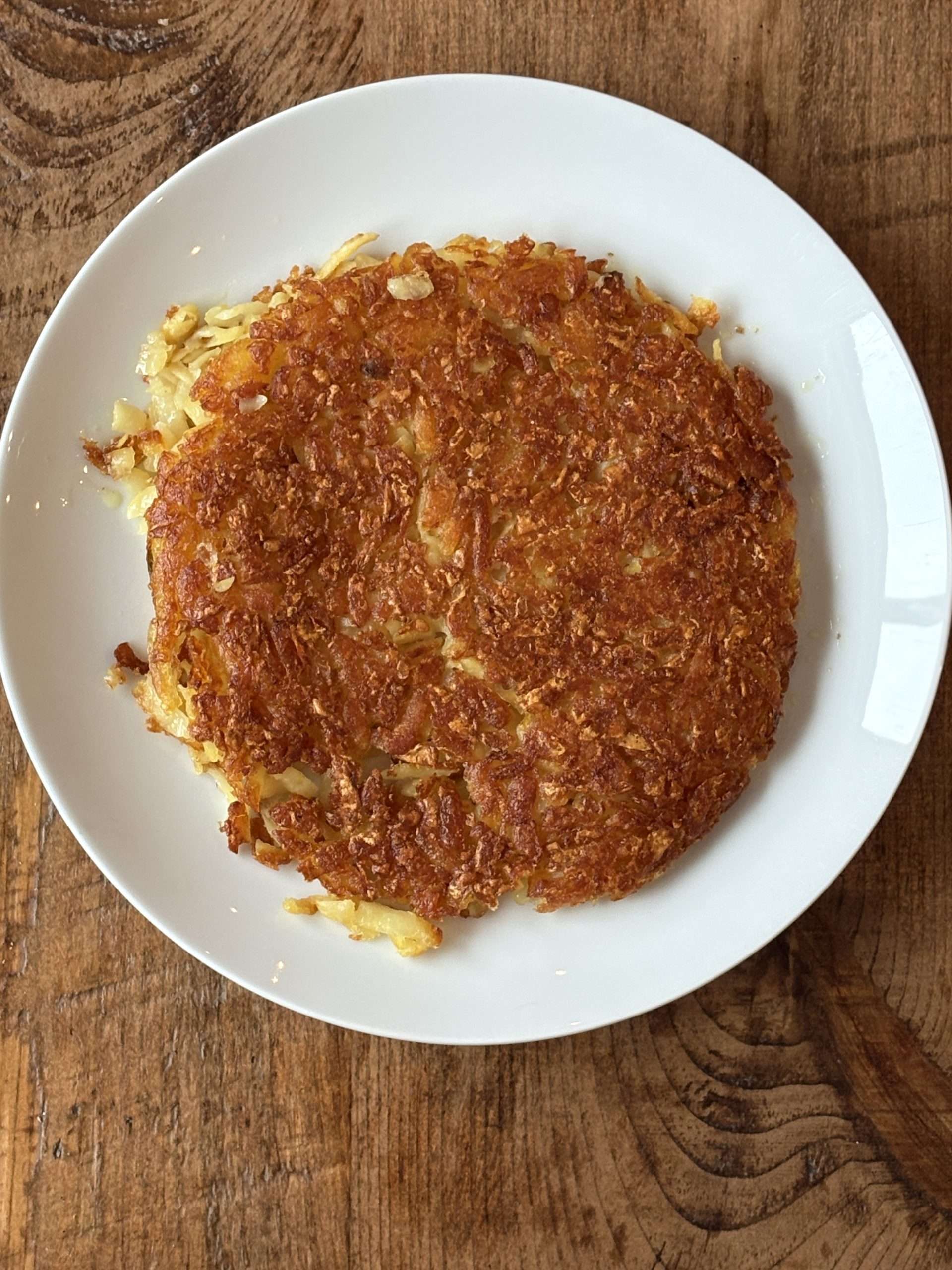
1. Classic Swiss Potato Rösti (Authentic Rösti)
This is Switzerland on a plate. Originally a hearty breakfast for farmers in the German-speaking canton of Bern, Rösti has evolved into the country’s national dish. It features grated potatoes pan-fried in butter until a shatteringly crisp, golden crust forms on the outside while the interior stays tender and steaming.
The Secret to Success: For the best texture, use par-boiled starchy potatoes that have been cooled completely overnight in the fridge. This locks in the starches so your shredded potatoes fry into a clean disc instead of turning into mashed potatoes.
Flavor Variation: For a fresh twist, try a Potato and Carrot Rösti by mixing in grated carrots, fresh herbs, and a hint of lemon zest – a beautiful option for a spring brunch.
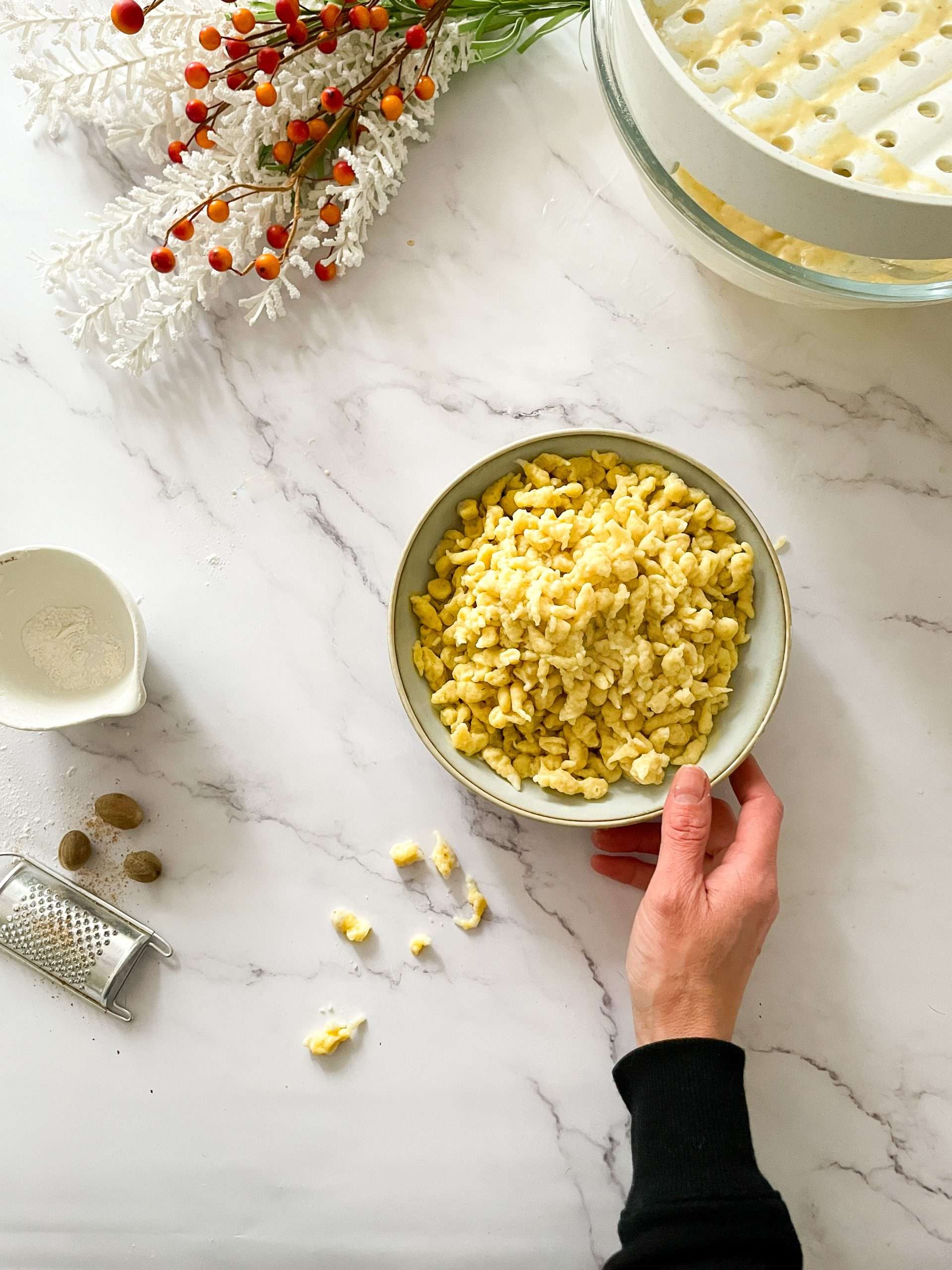
2. Homemade Swiss Spätzli (Easy Swiss Egg Noodles)
These rustic, buttery little egg noodles are the ultimate alpine comfort food. Unlike Italian pasta, there is no tedious rolling or precision cutting required here. You simply whisk together a thick batter of flour, eggs, and water (or milk), press it through a perforated Spätzli sieve directly into boiling water, and fish them out a minute later when they float to the top.
How to Serve Them: While they make an incredible side dish for hearty stews, they can easily become the main event. Toss them in a hot skillet with plenty of butter and a handful of shredded Gruyère or Emmental cheese for an instant weeknight meal.
No rolling, no cutting. Just mix, drop, boil.
3. Swiss Crêpes (Omeletten)
Sitting perfectly between a paper-thin French crêpe and a classic fluffy pancake, Swiss Omeletten are a quiet household staple. They rely entirely on basic baking ingredients you likely already have on hand: flour, eggs, milk, and a pinch of salt.
You can serve them sweet, rolled up with homemade jam or apricot compote, or take the savory route.
In Switzerland, leftovers are traditionally sliced into thin ribbons and dropped into a hot, clear vegetable broth to make Flädlisuppe, a comforting, lightning-fast soup.

Cozy Swiss Classics
When the weather cools down or you need a meal that brings everyone together around the table, these comforting traditional dishes are unmatched.
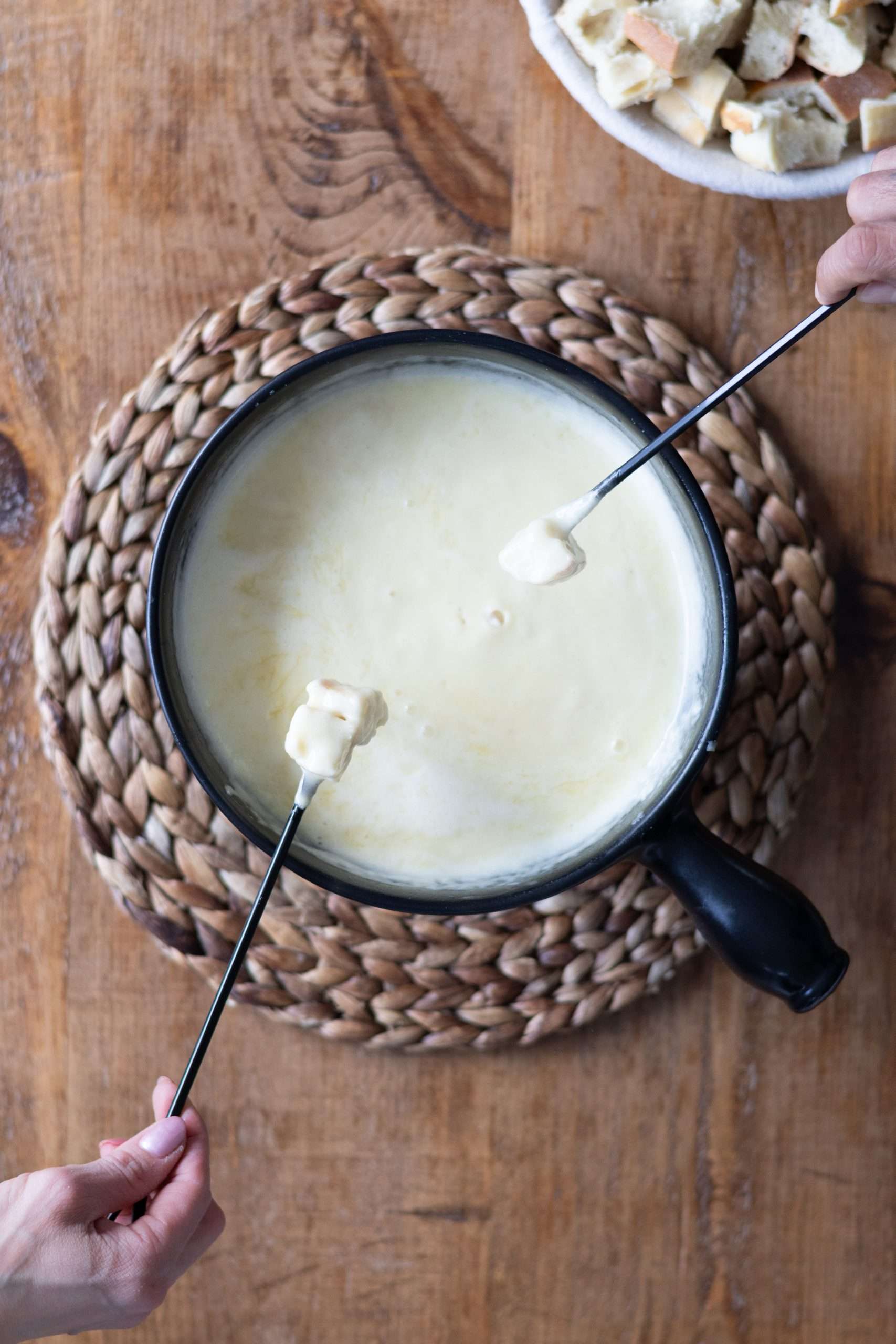
4. Authentic Swiss Cheese Fondue
Fondue often carries a reputation for being finicky or strictly reserved for special ski chalets, but it is actually one of the easiest Swiss meals you can prepare at home. It requires almost zero actual prep work beyond grating cheese and cubing a loaf of day-old bread.
The Master Blend: For an authentic flavor, look for a *Moitié-Moitié* (half-and-half) blend of Vacherin Fribourgeois and Gruyère cheese melted down with a splash of dry white wine, a touch of cornstarch, and a rub of fresh garlic in the pot. If you can’t find Vacherin, a mix of Gruyère and sharp Fontina or Swiss Emmental works beautifully.
5. Seasonal Swiss Wähe (Sweet or Savory Tarts)
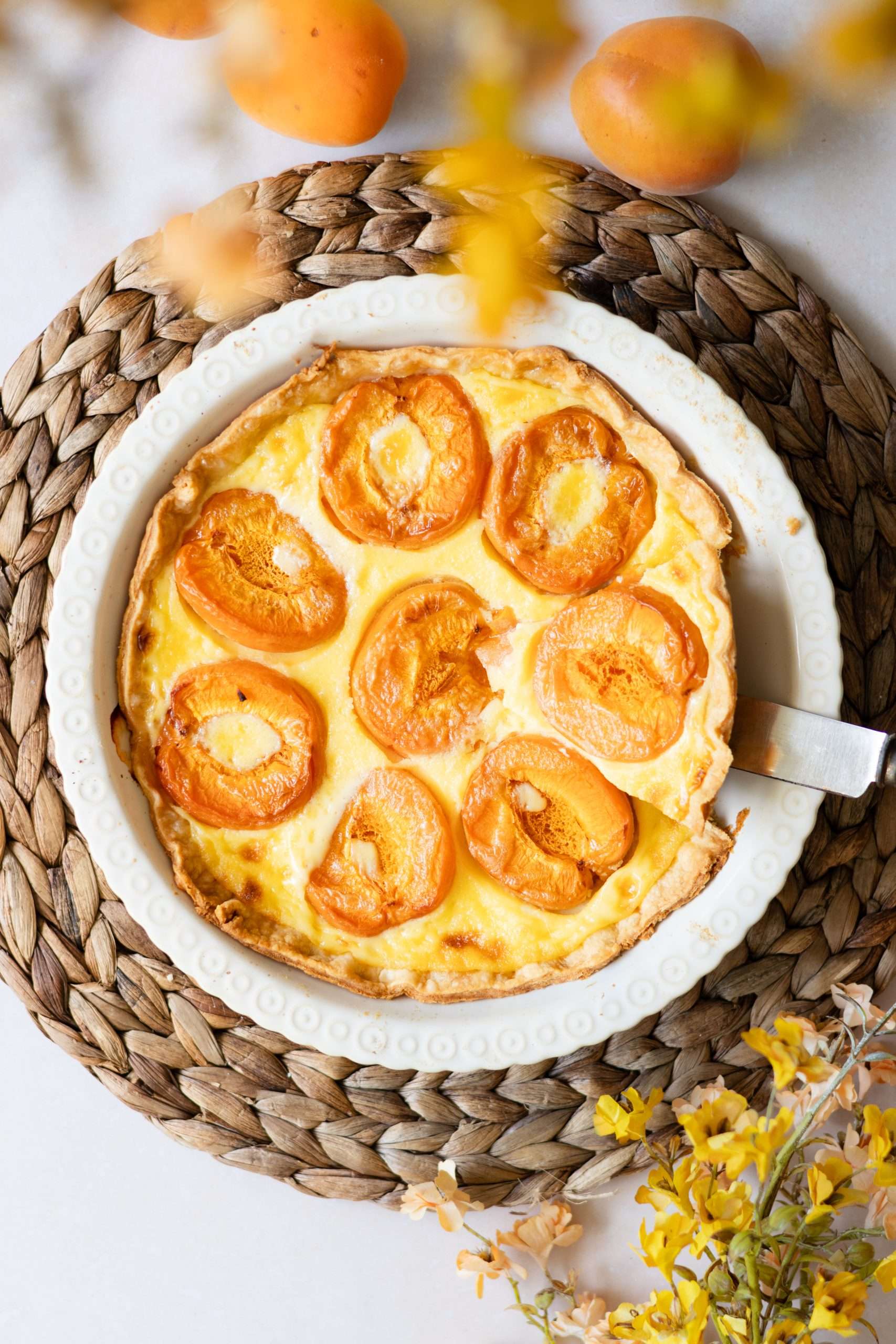
A Wähe is a rustic, open-faced tart that quietly appears in Swiss home kitchens all year long. It consists of a simple shortcrust pastry base covered in a luxurious egg-and-cream custard, filled with whatever ingredients are currently in season.
Endless Adaptability: In the spring, you’ll find kitchens filled with the aroma of a savory Asparagus Tart (Spargelwähe). In late summer and autumn, the custard is lightly sweetened to showcase fresh Italian plums (Zwetschgenwähe) or sliced apples (Apfelwähe). It is the ultimate reflection of practical, zero-waste Swiss home cooking.
6. Traditional Swiss Zopf (Braided Bread)
Step into any Swiss bakery on a Sunday morning, and you will be greeted by rows of Sonntagszopf – a rich, incredibly soft braided milk bread with a dark, shiny golden crust.
The Baking Trick: The signature tender, pillowy crumb comes from adding a generous amount of butter and warm milk to the yeast dough. It makes an incredible weekend project that fills your entire house with a heavenly bakery aroma. Slice it thick and serve it alongside sweet honey, butter, and cheese.

Light & Everyday Swiss Favorites
These lighter bites are the ones that quietly weave themselves into your weekly routine. They rely on simple ingredients but bring a distinct sense of Swiss comfort to any hour of the day.
7. Authentic Swiss Birchermüesli
Long before “overnight oats” became a global health trend, there was Birchermüesli. Developed around 1900 by Swiss physician Maximilian Bircher-Benner for his patients, this original wholesome dish has evolved into one of Switzerland’s most beloved culinary exports.
The Authentic Technique: True Swiss Birchermüesli relies heavily on fresh grated apple (including the skin), which is folded into rolled oats that have been soaked in milk or yogurt. A squeeze of fresh lemon juice prevents browning and cuts through the creaminess, while a handful of toasted hazelnuts or walnuts adds a perfect alpine crunch.
When to Serve It: It requires absolutely no cooking and is incredibly satisfying. In Swiss households, it is enjoyed just as often for a light, refreshing dinner (Znacht) as it is for breakfast.
If you want to see how locals set the table in the morning, check out my complete guide to What People Really Eat for a Traditional Swiss Breakfast.

8. Apfelküchlein (Swiss Apple Fritters)
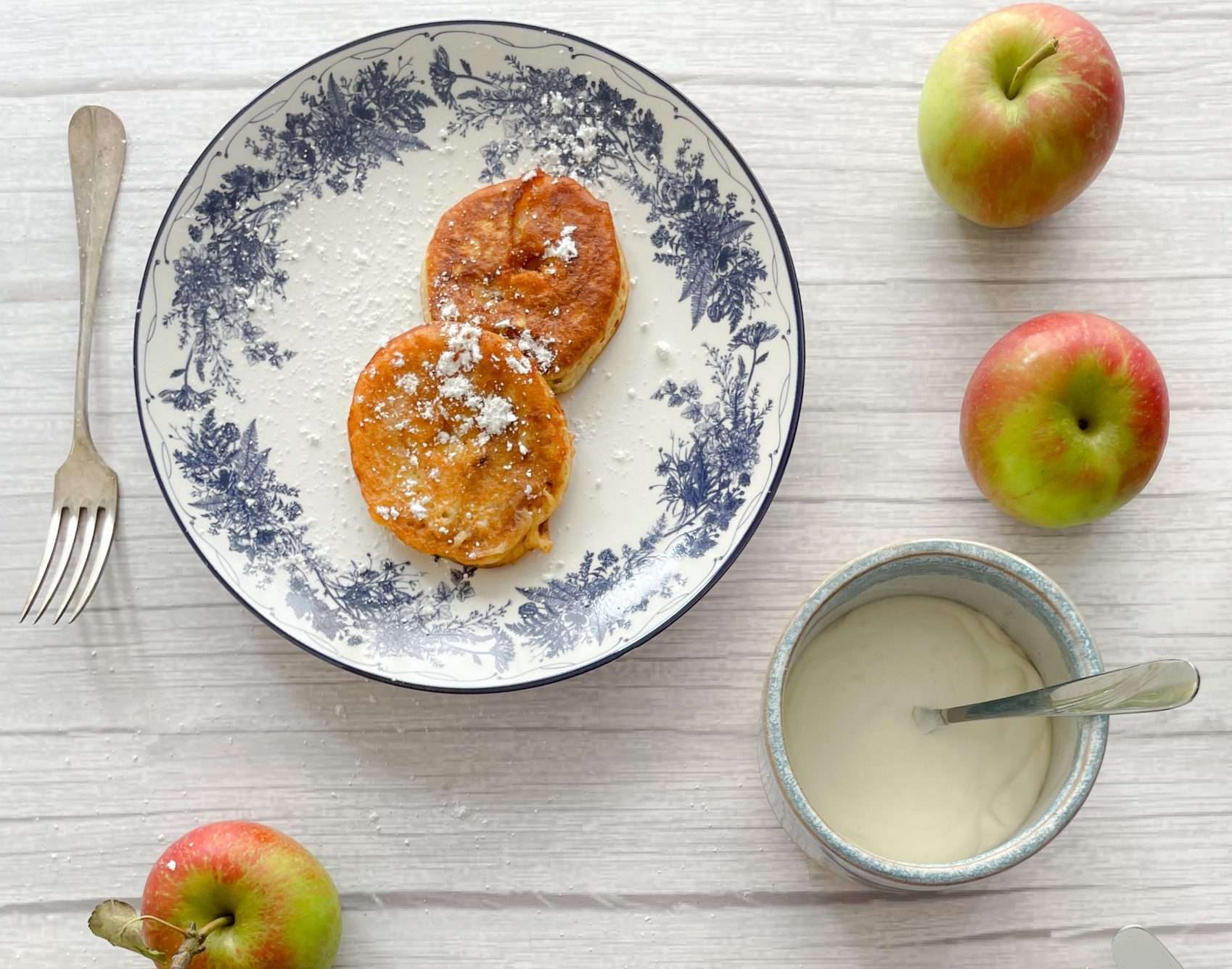
Lightly crisp on the outside and warm and tender on the inside, Apfelküchlein are a timeless comfort food. Slices of fresh apple are cored into beautiful rings, dipped into a simple egg-and-flour batter, and pan-fried in hot butter until the edges turn a delicate, golden brown.
The Zvieri Tradition: In Switzerland, these fritters frequently take center stage during *Zvieri* – the traditional mid-afternoon coffee break. They blur the line beautifully between a rustic snack and an elegant dessert. Dust them generously with cinnamon sugar and serve them warm alongside a pool of rich vanilla custard sauce (Vanillesauce).
9. Weggli (Traditional Swiss Milk Bread Rolls)
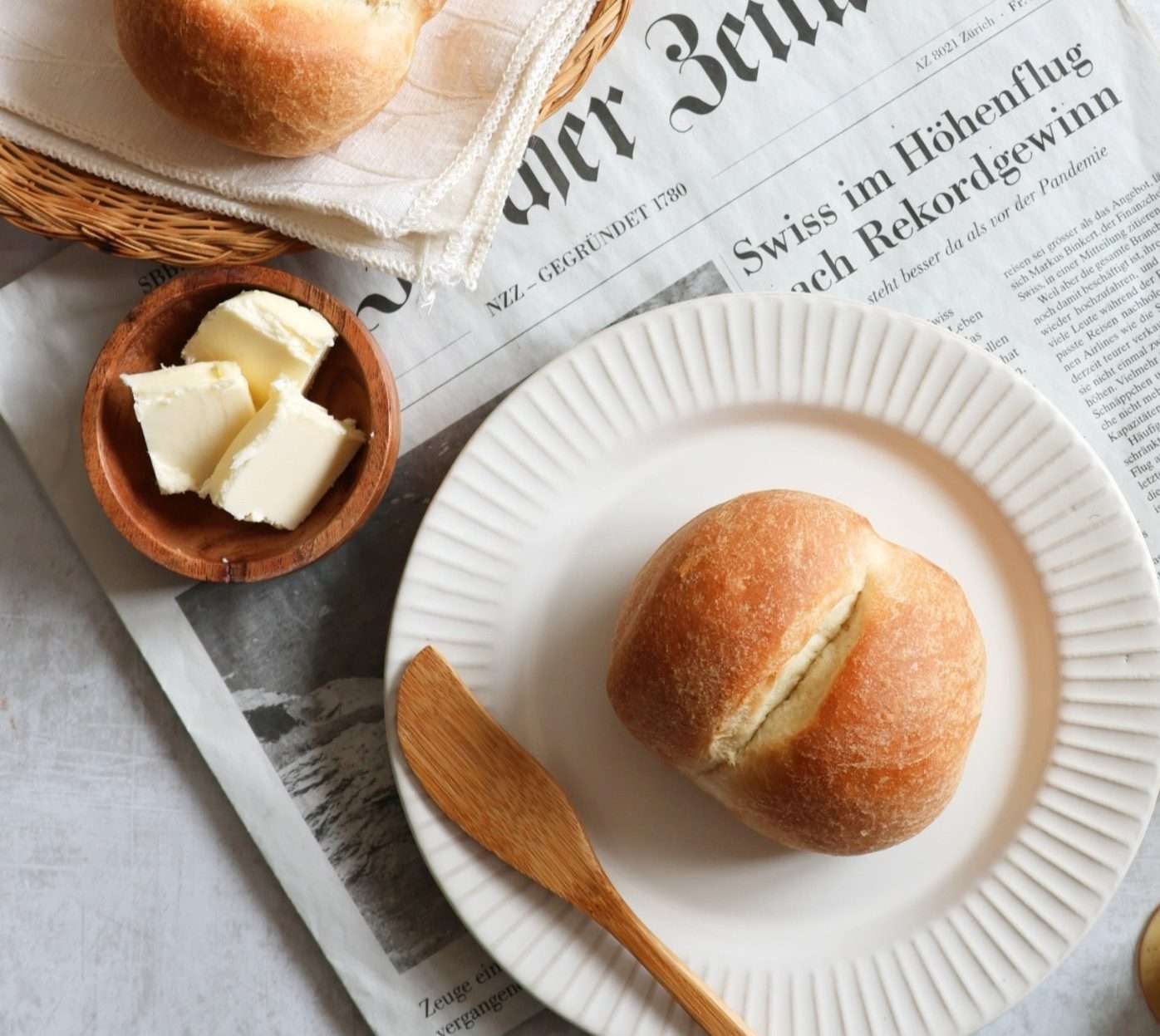
If you walk into a Swiss bakery with a child, they will almost certainly point to the Weggli. These iconic milk rolls are a childhood staple across Switzerland – distinguished by their signature round shape with a deep cleft pressed down the center and a perfectly glossy, egg-washed top crust.
Pillowy Soft Crumb: Made with milk and a touch of butter, the dough bakes into an incredibly soft, pillowy texture that tears apart beautifully. They are traditionally split open and smeared with butter, or enjoyed the classic bakery way: by pressing a solid branch of Swiss milk chocolate (Schoggistengeli) right into the center of the roll for a quick, comforting snack.
Craving More Authentic Swiss Baking?
Join the Poetic Road community to get my favorite family recipes, weekend baking inspiration, and a first look at my upcoming recipe collections, delivered straight to your inbox!
Hungry for More Swiss Recipes?
If you’re curious about Swiss food beyond fondue and chocolate, you’re in the right place.
Subscribe to my newsletter and I’ll send you seasonal recipes, Swiss kitchen favorites, and the occasional family story straight from my Swiss-Canadian kitchen.
Something Sweet to Finish
No traditional Swiss kitchen guide is complete without a look at the dessert table. These sweet bakes showcase how simple pantry items can be transformed into celebratory treats.
10. Simple Swiss Apple Cake (Apfelkuchen)
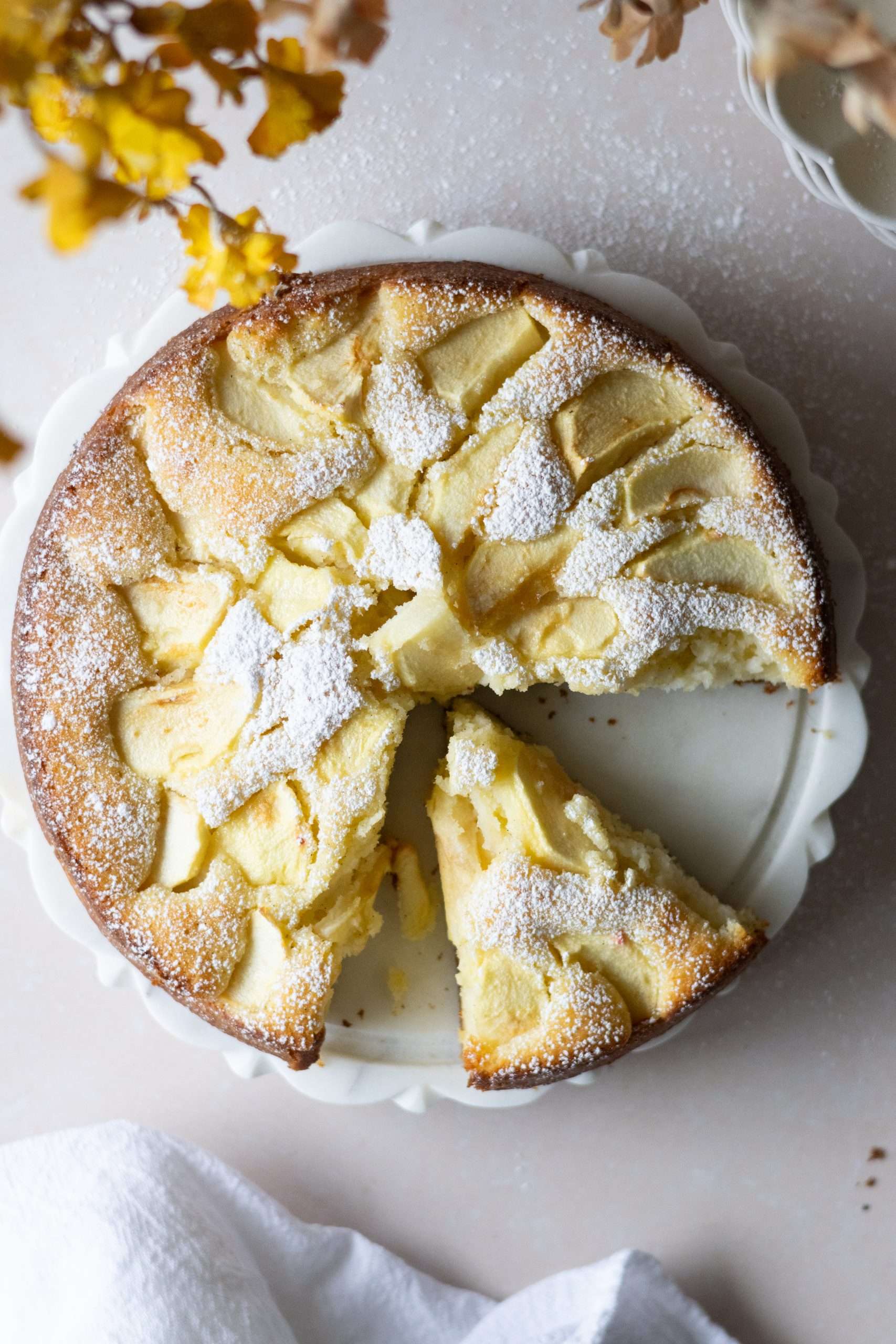
This is the ultimate epitome of low-stress, high-reward everyday baking. It is a moist, tender sponge cake designed to let seasonal orchard fruit shine. Rather than requiring precision decorating or complicated layers, the beauty of this cake comes entirely from how the fruit is arranged.
The Visual Trick: Sliced apples are pressed directly into the top of the batter before baking. As the cake rises in the oven, the batter hugs the fruit, keeping the entire crumb incredibly moist while the exposed edges of the apples caramelize beautifully. It’s simple enough for a Tuesday afternoon but elegant enough for weekend guests.
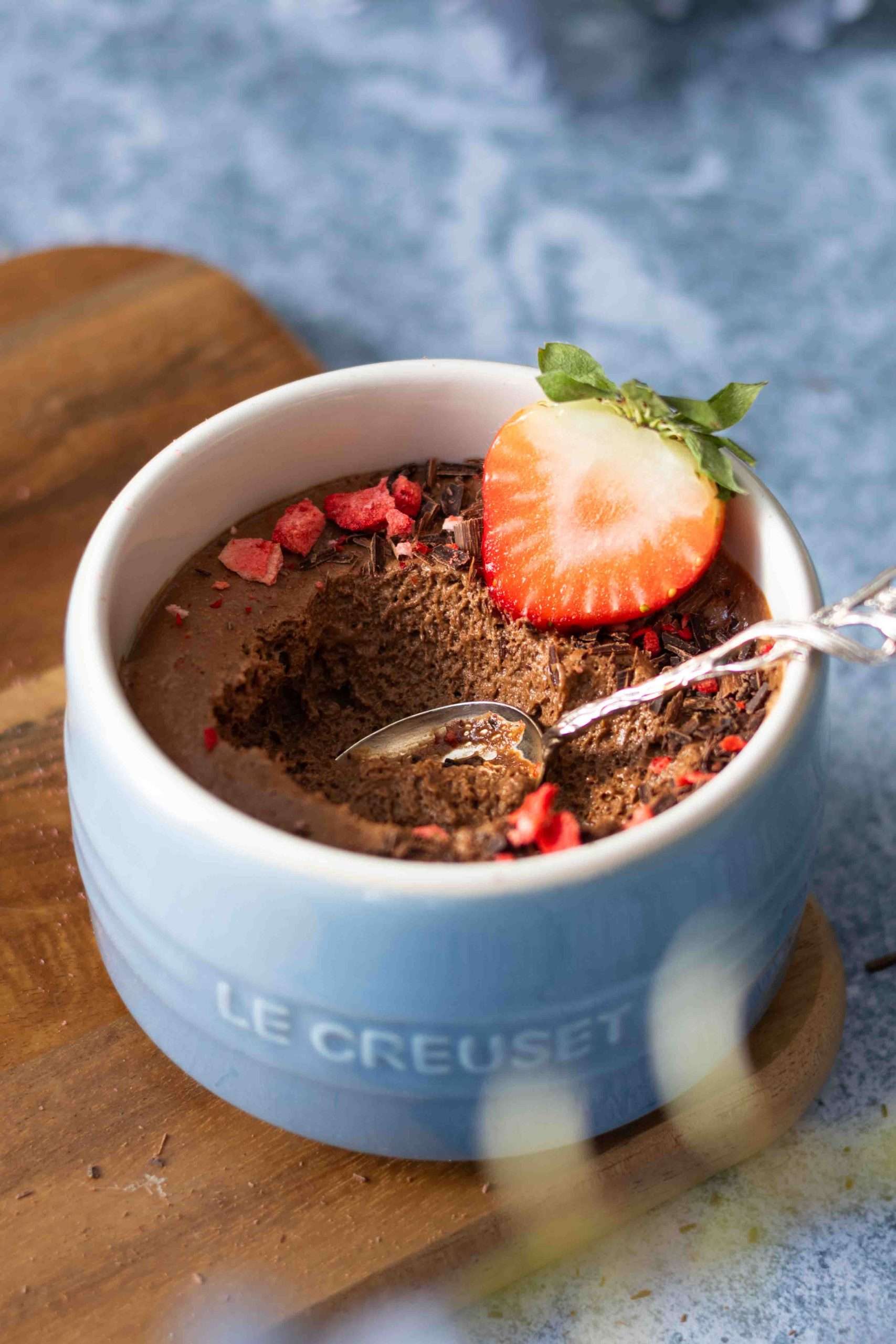
11. Classic Dark Chocolate Mousse
While chocolate mousse is technically shared with French cuisine, Switzerland has truly perfected the art using its world-renowned dark chocolate. This dessert feels intensely luxurious and elegant, yet it relies on a remarkably short list of clean ingredients: high-quality chocolate, fresh eggs, a pinch of sugar, and heavy cream.
The Key to Airy Texture: The secret to achieving that signature, melt-in-the-mouth aeration without adding gelatin is all in the egg whites. They must be whipped to stiff, glossy peaks and then folded into the melted chocolate with absolute gentleness so you don’t deflate the trapped air bubbles. Give it a few quiet hours to set in the fridge, and it becomes pure silk.
12. Approachable Engadiner Nusstorte-Inspired Tart
Originating from the rugged, alpine Graubünden region, the traditional Engadiner Nusstorte is famous for its thick shortcrust pastry pastry stuffed with a rich, chewy, caramelized walnut filling. It is an alpine masterpiece, but the traditional multi-step molding process can sometimes feel intimidating for a casual baker.
The Simplified Spin: This version keeps the exact soul, buttery crunch, and deep caramel-nut flavor of the classic Swiss mountain tart but adapts it into an approachable, single-layer rustic tart format. It delivers those warm, comforting autumn flavors with half the effort – making it the perfect introduction to regional Swiss pastry baking.

Frequently Asked Questions
A Final Thought on Swiss Home Cooking
Embracing traditional Swiss cuisine doesn’t require a professional kitchen or a pantry full of hard-to-find ingredients. At its core, alpine cooking is simply about slowing down, honoring the natural flavors of basic seasonal staples, and letting simple ingredients come together into something deeply comforting and familiar.
You don’t have to master all twelve of these dishes by next weekend. Start with just one recipe that speaks to you – perhaps a golden, crispy morning Rösti or a quick batch of buttery Spätzli. Once you experience how effortless and satisfying these bakes are to prepare, they will naturally stop feeling like foreign recipes and start feeling like a cozy, permanent part of your own kitchen routine.
If you love the simple, honest nature of European home baking, I invite you to join me at my kitchen table. Each week, I share seasonal recipes, traditional Swiss stories, and quiet kitchen inspiration directly through my newsletter. Sign up below to make sure you never miss a new bake – you are always welcome here.
Hungry for More Swiss Recipes?
If you’re curious about Swiss food beyond fondue and chocolate, you’re in the right place.
Subscribe to my newsletter and I’ll send you seasonal recipes, Swiss kitchen favorites, and the occasional family story straight from my Swiss-Canadian kitchen.