
Basler Läckerli (Traditional Swiss Honey Spice Cookies)
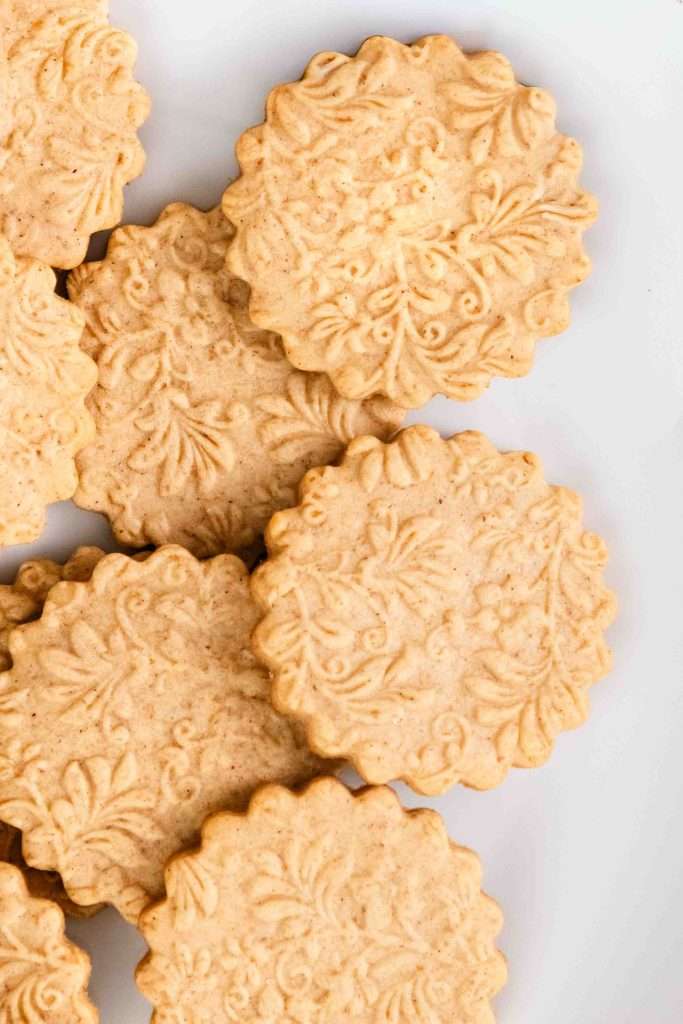
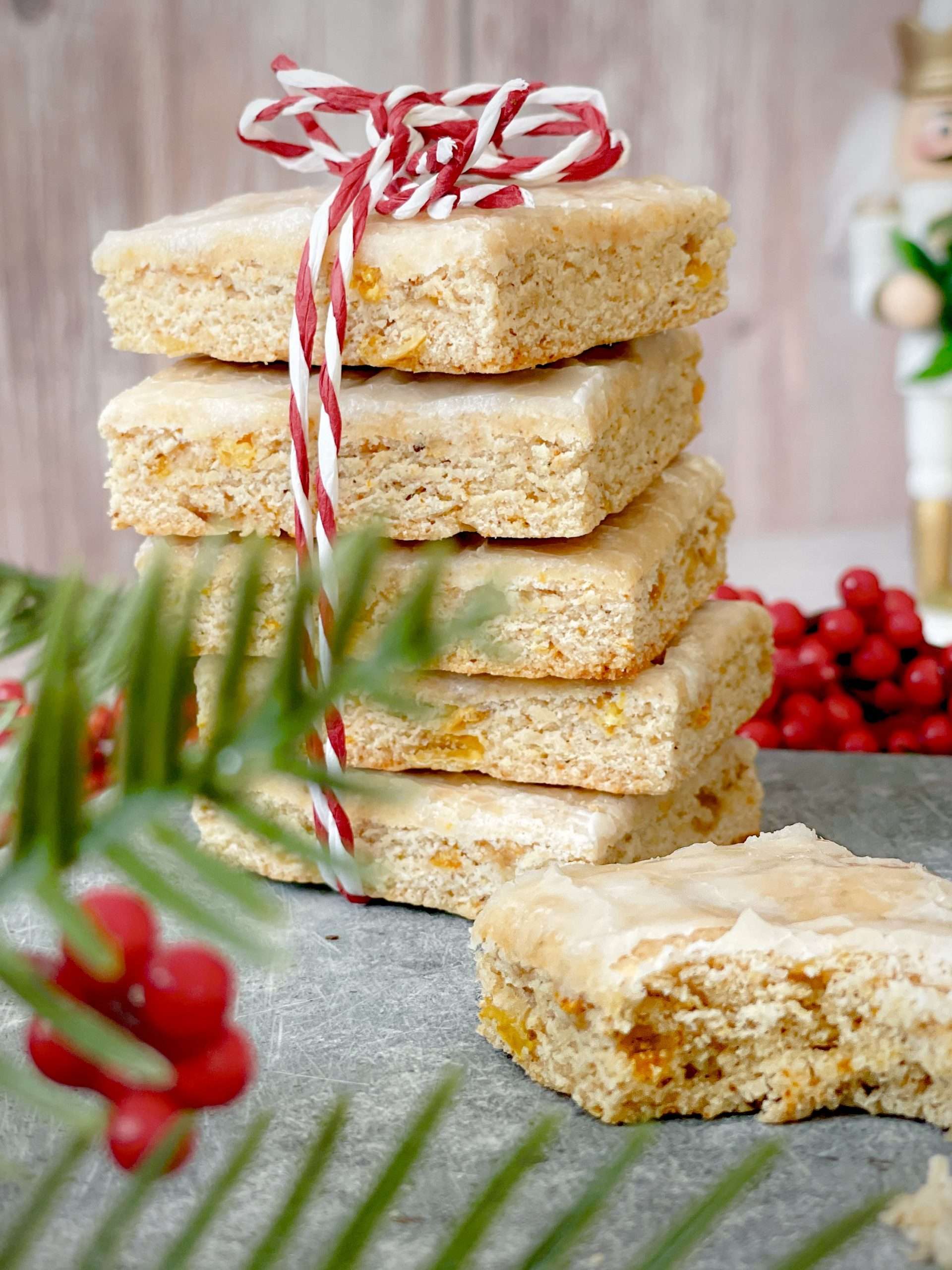
Think of Basler Läckerli (or just leckerli) as the ultimate traditional Swiss holiday cookie. They’re packed with honey, almonds, candied citrus peel, and tons of warm spices, all topped with a glossy little brush of lemon glaze. They’re a bit firm at first, but if you let them sit in a tin for a few days, they turn into the most amazing, fragrant chew.

This post may contain affiliate links. I only share products I truly use and love, and any purchase helps support my work at no extra cost to you.
What you’ll love about this Basler Lackerli recipe
- A true Swiss classic with deep regional roots
- Firm, fragrant texture meant for slicing and sharing
- Basler Läkerli are not overly sweet, balanced by spice and citrus
- They keep beautifully and improve with time
- Perfect for holiday cookie boxes
Searching for something specific?
You know that specific smell that instantly makes you feel like it’s winter? That’s exactly what these Basler Läckerli do to me. Growing up, these were always a mandatory part of our holiday cookie boxes, and the second the spice and honey hit the oven, it officially felt like Christmas. They sat right alongside favorites like Swiss Cinnamon Stars (Zimtsterne)
If you’ve never had one, just a quick heads-up: they aren’t your typical soft, doughy cookies. They are firm, traditional Swiss spiced rectangles that you’re meant to sit down and nibble on slowly with a hot cup of coffee or tea. But the real magic is that they actually get better with time. Much like traditional Swiss Tirggel cookies, if you put them in a tin and leave them alone for a couple of days, the flavors deepen and they settle into this amazing, authentic chew.
This recipe is old-fashioned in the best way. We’re using a rich honey base, ground almonds, plenty of candied citrus, and a bright lemon glaze brushed on the absolute second they come out of the oven. They’re such a great change of pace from standard holiday baking, and I really hope they become a tradition in your house, too.

Variations & Substitutions
Honey: Dark wildflower or forest honey gives the most traditional color and flavor
Nut variation: Replace a small portion of almonds with finely ground hazelnuts
Extra depth: Add a splash of Kirsch or orange liqueur
Spice tweak: A pinch of cardamom works well if you enjoy warmer spice notes
Key Ingredients Explained
You’ll find the concise list of ingredients in the recipe card below, but here’s a quick, in-depth look at what makes these cookies so delicious:
Honey
Honey is the backbone of Basler Läckerli, providing sweetness, aroma, and keeping quality. Traditionally, darker honeys were used, which give the cookies their deeper color and richer flavor.
In North America, dark wildflower honey is the closest everyday option and works beautifully here. Buckwheat honey can also be used for a darker color, but it has a much stronger, malty flavor – consider mixing it 50/50 with wildflower honey if you go that route.
Very light honeys (like clover) will still work, but the cookies will bake up paler.
Warm Spices (Cinnamon, Cloves, Nutmeg)
These create the classic Läckerli profile. The balance should feel warming and aromatic, not sharp or overpowering – especially with cloves.
Ground Almonds
Almonds are essential for structure and richness. They give Läckerli their dense, satisfying bite and help balance the honey.
Candied Orange & Lemon Peel
Both candied orange and lemon peel are traditional and important. They bring brightness and that unmistakable Basler Läckerli aroma. Finely chopping helps distribute flavor evenly throughout the dough.
Citrus Zest
Fresh lemon and orange zest lift the dough and keep the spices and honey from feeling heavy.
Almond Extract
Used almond extract sparingly, it reinforces the almond flavor without taking over.



FROM MY SWISS KITCHEN
Join me at the kitchen table.
Swiss-inspired recipes, cozy baking, and seasonal stories delivered each week.
Seasonal recipes, Swiss stories, and no spam.
The Right Tools For the Job
Making traditional Basler Läckerli isn’t difficult, but because the honey dough is uniquely thick and sticky, having a few specific tools on hand makes the process a total breeze:
- Parchment Paper Sheets: This is completely non-negotiable. With all that gorgeous honey and sugar, baking these directly on a metal sheet is a recipe for a permanent stick.
- A Small Pastry Roller: Because the dough is heavy and thick, a small rolling pin or even a sturdy offset spatula lets you press it perfectly into the corners of your pan while it’s still warm.
- A Silicone Pastry Brush: You’ll need this to paint on that bright lemon glaze the exact second the cookie slab comes out of the oven.
- A Sharp Chef’s Knife: You have to cut these cookies while they are hot! A heavy, sharp knife (or even a rolling pizza wheel) gives you those clean, traditional rectangle cuts without cracking the edges.
Step-by-Step Instructions
How to make traditional Swiss Basler Lakerli:
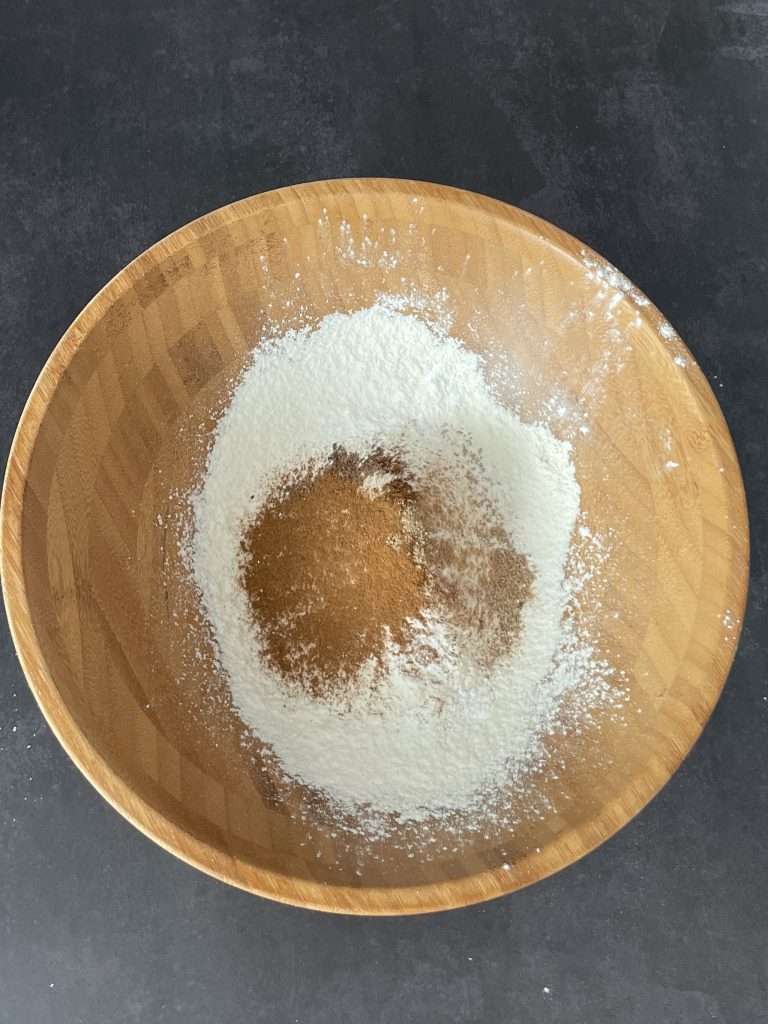
1. Mix the Dry Ingredients
In a large bowl, whisk together the flour, ground almonds, baking soda, cinnamon, nutmeg, and cloves. Stir in the candied orange peel, candied lemon peel, lemon zest, orange zest, and almond extract until everything is evenly distributed.
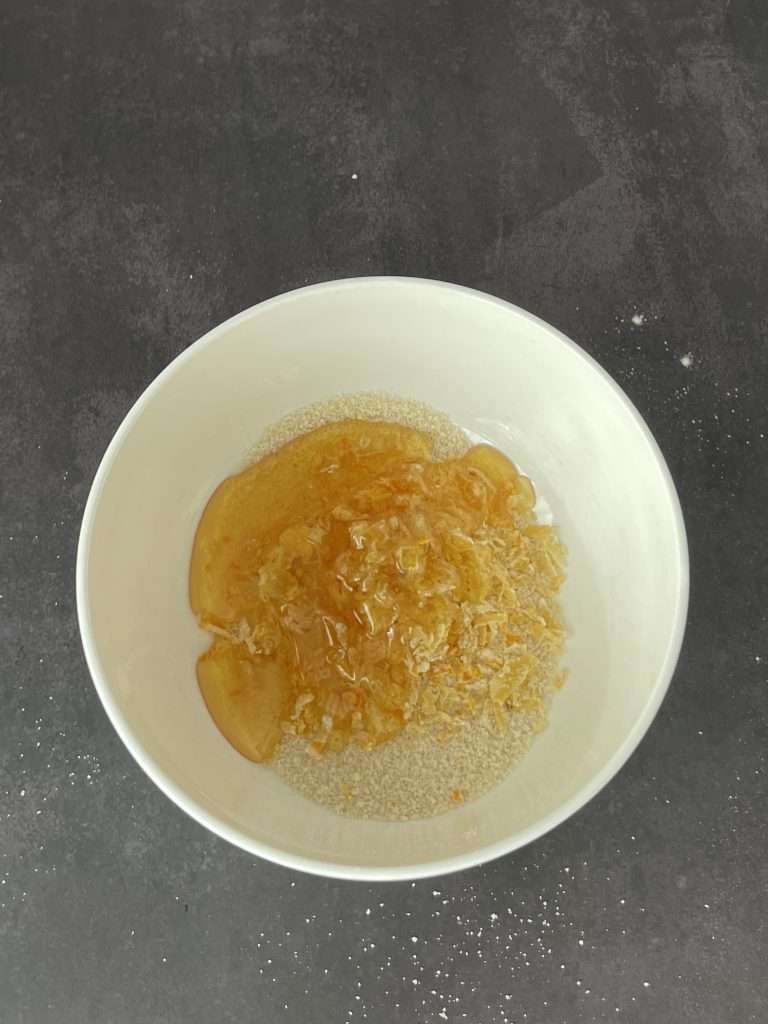
2. Melt the Honey & Sugar (No Water!)
In a small saucepan over medium-low heat, combine the honey and granulated sugar. Stir constantly for about 3–4 minutes until the sugar completely dissolves and the mixture is warm and liquid. Do not let it boil.
3. Form the Dough
Pour the warm honey-sugar mixture directly into the dry ingredients. Stir with a sturdy wooden spoon until a uniform dough forms. It will be very thick, heavy, and sticky – this is exactly how it should feel.
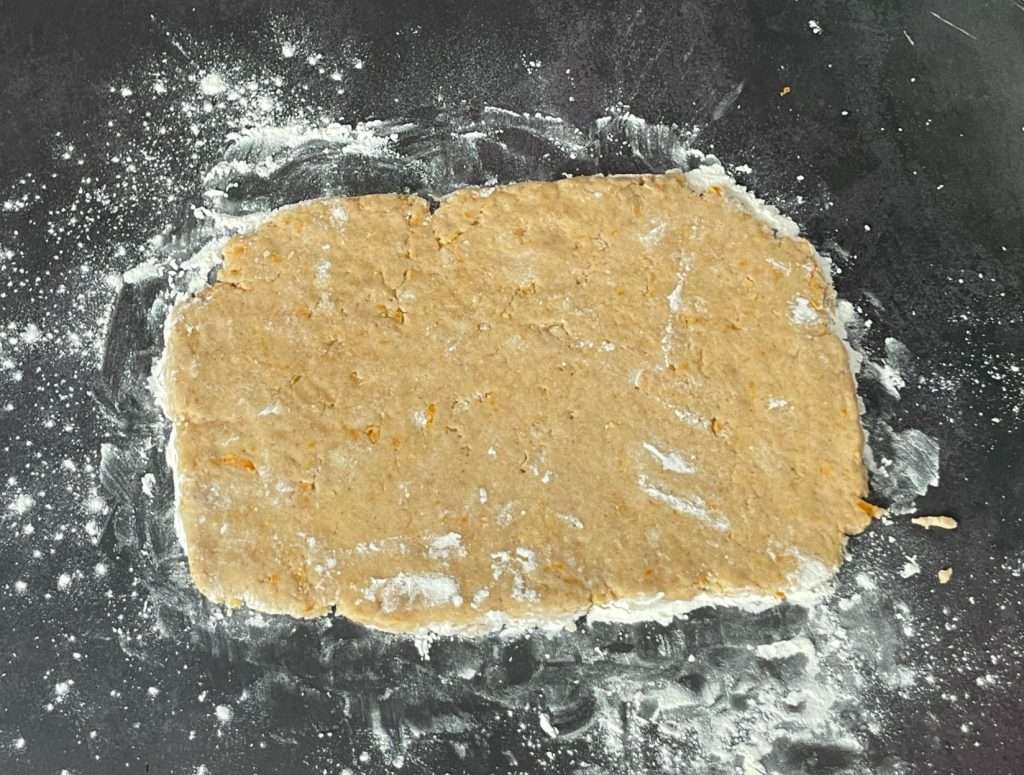
4. Roll and Rest
Line a large baking sheet with parchment paper. While the dough is still warm, turn it out onto the paper. Using slightly damp hands or a damp rolling pin, press and roll the dough into a neat rectangle, about ¼-inch thick.
Cover the pan with a clean kitchen towel and let it rest at room temperature for 2 hours. This allows the surface to dry slightly, ensuring the perfect texture when baked.
5. Bake
Preheat your oven to 425°F (220°C). Use a fork to lightly prick holes across the top of the dough. Bake for 15 minutes until the slab is firm and has turned a beautiful, deep amber-brown.
6. Glaze and Slice (Fast!)
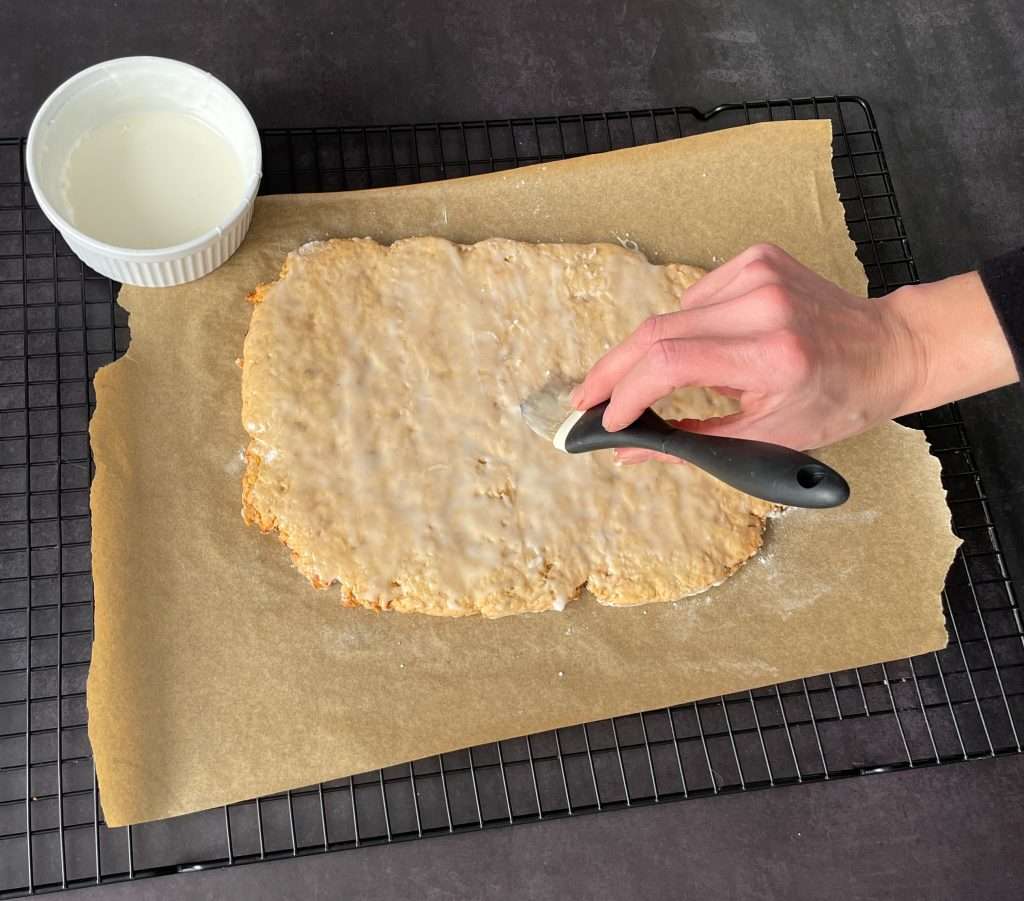
While it bakes, whisk your powdered sugar and lemon juice together to make a thin, brushable glaze.
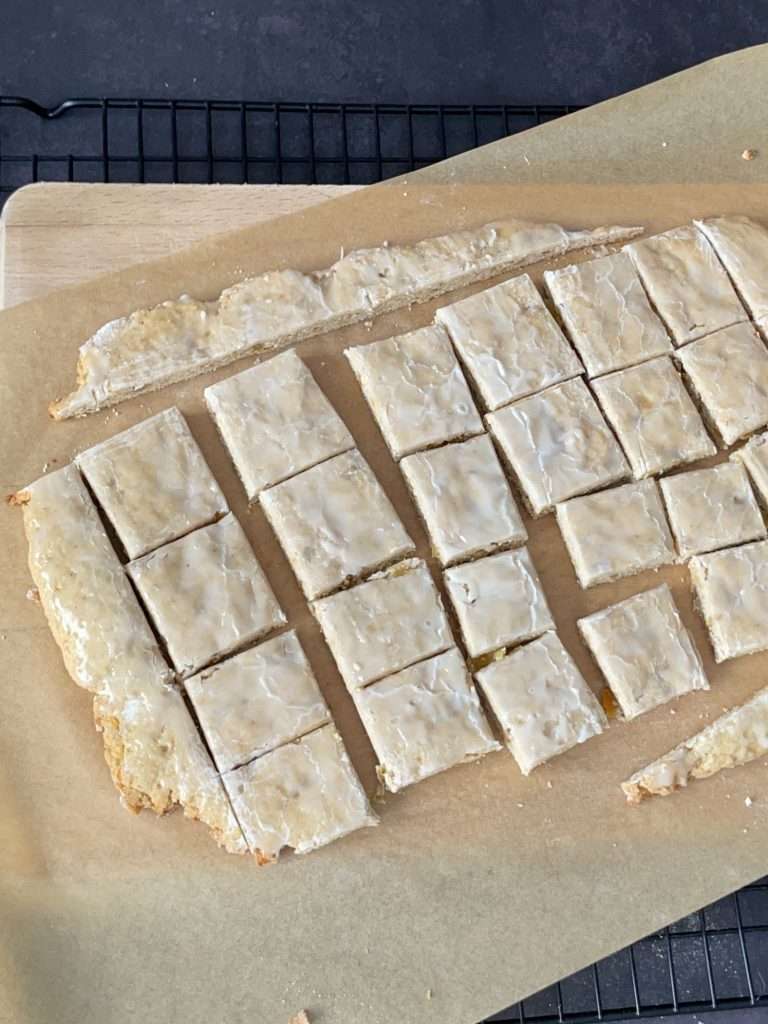
The exact second the pan comes out of the oven, brush the lemon glaze evenly over the scorching hot surface using a silicone pastry brush. It will bubble slightly and dry into those iconic white streaks. Immediately use a sharp chef’s knife to trim the edges and cut the hot slab into small 1×2-inch rectangles. Do not let it cool before cutting, or it will harden too much to slice cleanly!
Basler Läckerli (Classic Swiss Honey Spice Cookies)
Equipment
Ingredients
Method
- Mix the Dry Ingredients: In a large bowl, whisk together the flour, ground almonds, baking soda, cinnamon, nutmeg, and cloves. Stir in the candied orange peel, candied lemon peel, lemon zest, orange zest, and almond extract until everything is evenly distributed.
- Melt the Honey & Sugar: In a small saucepan over medium-low heat, combine the honey and granulated sugar. Stir constantly for about 3–4 minutes until the sugar completely dissolves and the mixture is warm and liquid. Do not let it boil.
- Form the Dough: Pour the warm honey-sugar mixture directly into the dry ingredients. Stir with a sturdy wooden spoon until a uniform dough forms. It will be very thick, heavy, and sticky.
- Roll and Rest: Line a large baking sheet with parchment paper. While the dough is still warm, turn it out onto the paper. Using slightly damp hands or a damp rolling pin, press and roll the dough into a neat rectangle, about ¼-inch thick. Cover the pan with a clean kitchen towel and let it rest at room temperature for 2 hours to dry out the surface.
- Bake: Preheat your oven to 425°F (220°C). Use a fork to lightly prick holes across the top of the dough. Bake for 15 minutes until the slab is firm and has turned a beautiful, deep amber-brown.
- Glaze and Slice: While it bakes, whisk your powdered sugar and lemon juice together to make a thin, brushable glaze. The exact second the pan comes out of the oven, brush the lemon glaze evenly over the scorching hot surface. Immediately use a sharp chef’s knife to trim the edges and cut the hot slab into small 1×2-inch rectangles. Do not let it cool before cutting, or it will become too hard to slice cleanly.
Notes
- Texture: Läckerli are meant to be firm when fresh, they soften over time.
- Flavor improves with time: Best after 1–3 days.
Storage
Store Basler Läckerli in an airtight container at room temperature for up to 2 weeks. The flavor deepens as they rest.Disclaimer: I am not a certified nutritionist. Nutrition facts are calculated using an automated database of common ingredients and are intended as an estimate only. Variations can occur depending on product brands, measuring methods, and ingredient swaps.
Did you make this recipe?
I'd love to know how it turned out!
Serving Ideas
- Serve Basler Läckerli with coffee or espresso, especially after a meal
- Pair with black tea or spiced winter teas
- Add them to a Swiss holiday cookie plate alongside cinnamon stars, Pfeffernüsse, or Tirggel
- Slice extra small and serve as part of a dessert board with dried fruit and nuts
- Wrap a few pieces in parchment and tie with string – Basler Läckerli make excellent edible gifts
Chef’s Tips to Making the Perfect Basler Leckerli
Don’t rush the rest time.
Resting the dough (and the baked cookies) allows the honey, spice, and citrus to mellow and come together. This is part of what gives Läckerli their characteristic depth.
Expect a firm texture.
Läckerli are not meant to be soft or chewy. They should feel dense and slice cleanly. If they soften slightly over time, that’s normal – and desirable.
Color depends on honey.
Darker honeys (like wildflower or buckwheat blends) produce a deeper, more traditional color. Lighter honeys will result in paler cookies without affecting flavor.
Slice once fully cooled.
Cutting too soon can cause crumbling or uneven edges. Patience here pays off.
Flavor improves with time.
These Basler Läckerli cookies are often best 2–4 days after baking, once everything has settled.
Storage & Make-Ahead
- Store Basler Läckerli in an airtight container at room temperature for up to 2 weeks.
The flavor improves after the first few days, making them ideal for holiday baking and gifting.
Frequently Asked Questions
Watch the Video
If you enjoy classic Swiss baking and seasonal recipes like this, you might like my newsletter, where I share new recipes, Swiss food traditions, and what’s happening in my kitchen throughout the year.
And if you make these Leckerli, remember to give them a little time before judging them – that’s when they really become themselves.
NEWSLETTER SIGN-UP
Hungry for More Swiss Recipes?
If you’re curious about Swiss food beyond fondue and chocolate, you’re in the right place.
Subscribe to my newsletter and I’ll send you seasonal recipes, Swiss kitchen favorites, and the occasional family story straight from my Swiss-Canadian kitchen.


